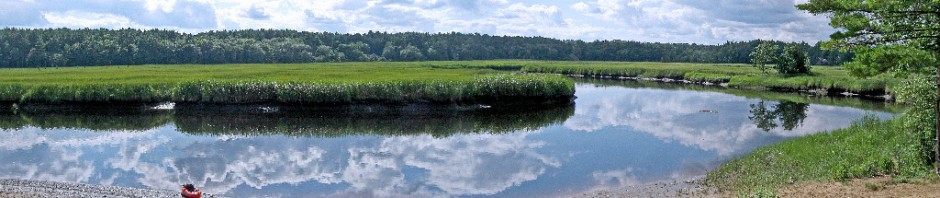
Some people have a negative view of beavers: they tear down trees and build dams that can flood the adjacent landscape. In Idaho in the 1940s, officials rounded up beavers from populated areas and relocated them – sometimes by parachute – to remote areas such as Baugh Creek. Now, nearly 70 years later, NASA satellite images show that these areas where beavers settled are lusher, greener, and more resistant to fire and drought.
Parachuting beavers
Some of the areas that Idaho wanted to relocate the beavers to were so remote that there were no roads to get them there. So, they came up with a novel solution. Idaho Fish and Game used surplus parachutes from World War II to drop the beavers into their new homes.
At first, the fish and game people figured they could drop the beavers in woven willow boxes. Then the beavers could chew themselves to freedom upon landing. But as soon as they put the beavers in the boxes, they began to chew their way out. And they didn’t want a plane full of loose beavers. Instead, Idaho Fish and Game designed a box that would open upon impact. They tested the box’s design on one eager beaver they aptly named Geronimo. After several test drops onto a field, they were assured that the design would work.
Thus, beavers rained down over Idaho. The beaver relocation project lasted until 1948. Those beavers’ descendants now live in what is part of the largest protected roadless forest in the lower 48 states.










 On the North River
Kaniksu Natural Forest, BTDT
LikeLike